Parotid Gland Surgery is a specialized procedure performed to treat tumors, cysts, chronic infections, or other disorders affecting the parotid gland. The parotid glands are the largest salivary glands and are located on either side of the face, just in front of the ears. Surgery aims to remove the diseased tissue while preserving facial nerve function and maintaining normal salivary gland activity whenever possible.
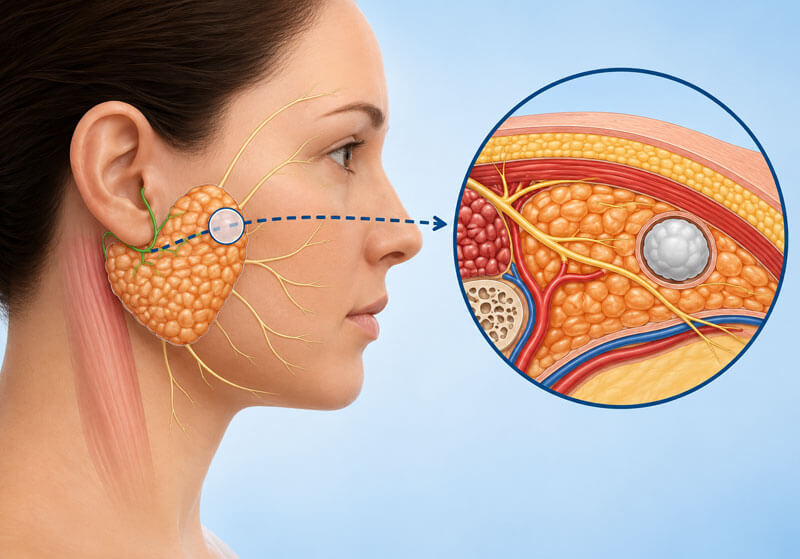
The parotid glands produce saliva, which helps with digestion, lubrication of the mouth, and oral health. Conditions affecting these glands can lead to swelling, pain, difficulty chewing, or the development of lumps near the jaw and ear region. While many parotid gland tumors are benign, some may require prompt surgical treatment to prevent complications.
The need for evaluation often arises when a patient notices a persistent lump or experiences symptoms related to the salivary gland. The severity and nature of symptoms depend on the underlying condition.
A detailed assessment is essential to identify the cause of the swelling and plan the appropriate treatment. Imaging and tissue sampling may be required before surgery.
The type of surgery depends on the location, size, and nature of the condition. Procedures may range from superficial parotidectomy, where only the affected portion of the gland is removed, to total parotidectomy for more extensive disease. Special care is taken to identify and preserve the facial nerve, which passes through the parotid gland and controls facial movements.
Surgery is performed under general anesthesia, and patients may require a short hospital stay depending on the complexity of the procedure.
Timely surgical treatment can effectively remove abnormal growths, relieve symptoms, and prevent further progression of disease. It also allows detailed pathological examination of the removed tissue to guide any additional treatment if necessary.
Recovery after parotid gland surgery varies according to the extent of the procedure. Mild swelling, temporary numbness, or discomfort around the surgical site may occur during healing. Patients are advised to follow wound care instructions, attend scheduled follow-up visits, and report any unusual symptoms. Most individuals gradually return to their normal routine while achieving excellent long-term outcomes.