Laparoscopic Inguinal Hernia Surgery is a minimally invasive procedure used to repair hernias that occur in the groin region. An inguinal hernia develops when a portion of the intestine or abdominal tissue pushes through a weak area in the abdominal wall, creating a visible bulge. The laparoscopic approach allows the hernia to be repaired through small incisions, resulting in less discomfort and faster recovery.
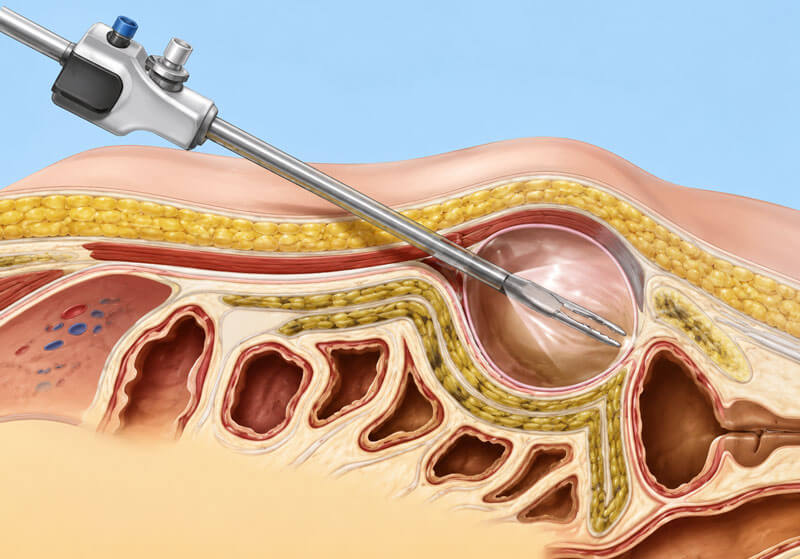
Inguinal hernias are among the most common types of hernias and can affect people of all ages. They often become more noticeable during activities such as lifting, coughing, or prolonged standing. While some hernias may initially cause minimal symptoms, they generally do not heal on their own and may enlarge over time.
Symptoms can vary depending on the size of the hernia and the patient's activity level. Common signs include:
Surgical repair is the definitive treatment for inguinal hernias. Surgery may be advised when symptoms interfere with daily activities, the hernia continues to enlarge, or there is a risk of complications such as obstruction or strangulation of the intestine.
The surgery is performed under general anesthesia through a few small incisions in the abdomen. A laparoscope provides a magnified view of the hernia, allowing the surgeon to repair the defect and reinforce the abdominal wall using a surgical mesh. The mesh provides additional strength and helps reduce the risk of recurrence.
Compared to conventional open surgery, laparoscopic hernia repair offers several benefits, particularly for suitable candidates.
Most patients are able to walk within hours of the procedure and return home the same day or the following day. Light activities can usually be resumed within a few days, while strenuous exercise and heavy lifting should be avoided until advised by the surgeon. Following post-operative instructions and attending follow-up visits help ensure optimal healing and long-term success of the repair.