Modified Radical Mastectomy (MRM) is a well-established surgical procedure used in the treatment of breast cancer. The operation involves removal of the entire breast tissue along with the lymph nodes in the axilla (underarm region), while preserving the underlying chest muscles. This approach helps achieve effective cancer control and provides important information for further treatment planning.
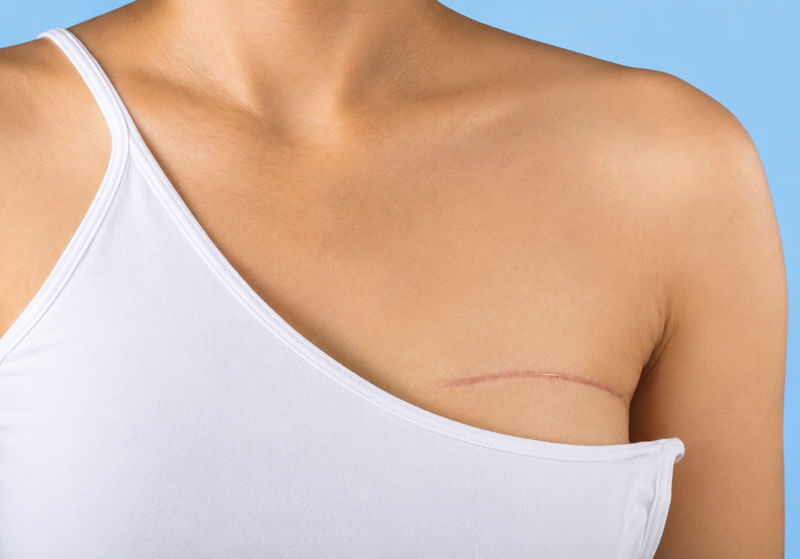
Surgery remains a cornerstone of breast cancer management. Modified Radical Mastectomy may be recommended when breast-conserving surgery is not suitable, when the tumor is relatively large compared to breast size, or when there is involvement of nearby lymph nodes. The procedure is often integrated into a multidisciplinary treatment plan that may include chemotherapy, radiation therapy, hormone therapy, or targeted therapies.
The decision to perform a Modified Radical Mastectomy is based on several clinical factors. Every patient undergoes detailed evaluation to determine the most appropriate treatment strategy.
Careful pre-operative planning helps ensure the best possible outcome. Various investigations are performed to determine the stage of the disease and evaluate overall fitness for surgery.
The surgery is performed under general anesthesia. During the procedure, the entire breast tissue is removed along with lymph nodes from the axillary region. The chest wall muscles are preserved, helping maintain shoulder function and reducing post-operative disability compared to older radical procedures.
In many cases, a surgical drain is temporarily placed to remove excess fluid and support healing. The removed tissue is sent for detailed pathological examination to guide further treatment recommendations.
Recovery after MRM varies among individuals, but most patients gradually return to their routine activities over the following weeks. Temporary discomfort, swelling, and restricted shoulder movement may occur during the healing phase.
Post-operative exercises, proper wound care, and regular follow-up appointments play an important role in recovery. Additional treatments such as chemotherapy, radiation therapy, or hormone therapy may be recommended based on the final pathology report.
A Modified Radical Mastectomy is an important step in the journey of breast cancer treatment. With advances in surgical techniques, supportive care, and comprehensive oncology services, patients can achieve excellent outcomes while maintaining quality of life. Ongoing follow-up and personalized treatment plans remain essential for long-term health and well-being.