Laparoscopic general surgery often called "keyhole" or minimally invasive surgery—is a modern surgical technique used to diagnose and treat a wide variety of conditions within the abdomen and pelvis. Instead of making a large incision to open the body, general surgeons use specialized tools and a camera to operate through tiny punctures. This approach has revolutionized general surgery, making procedures safer and recovery significantly faster.
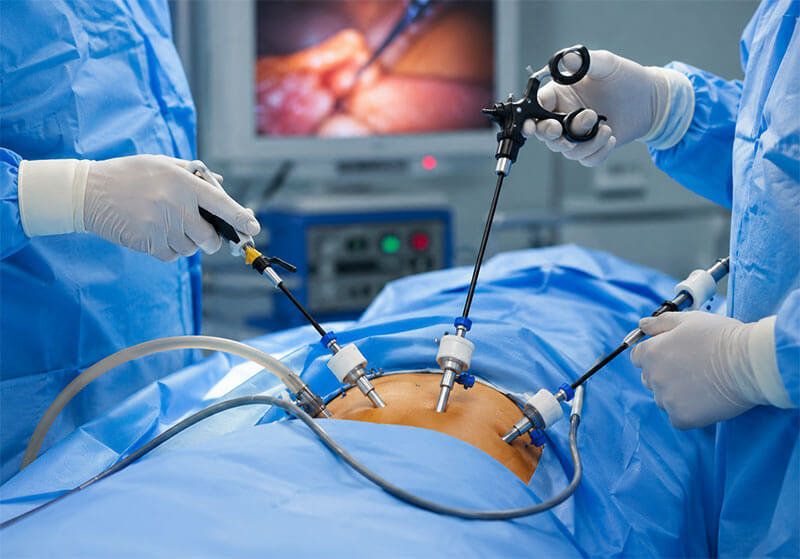
During a laparoscopic procedure, a general surgeon makes a few small incisions (usually less than half an inch long). Through one incision, they insert a laparoscope a thin tube equipped with a high-definition camera and light source—which transmits real-time images of the internal organs to a video monitor. The surgeon then uses specialized, long-handled instruments through the other tiny incisions to perform the operation.
To create working space, the abdomen is gently inflated with carbon dioxide gas, which is safely removed at the end of the surgery.
Laparoscopic techniques are now the "gold standard" for many procedures in general surgery, including:
Compared to traditional "open" surgery, the minimally invasive laparoscopic approach offers massive advantages for patients:
While recovery is swift, following your surgeon’s guidance is crucial for a smooth healing process. Gentle walking is usually encouraged just a few hours after surgery to promote blood circulation and help clear residual gas. Most patients can resume a normal diet quickly, though heavy lifting and strenuous exercise are typically restricted for a few weeks to allow internal tissues to fully heal.